Know Your Fundamental Rights
An open platform for civic awareness, free speech, and constitutional education — rooted in Part III of the Indian Constitution.
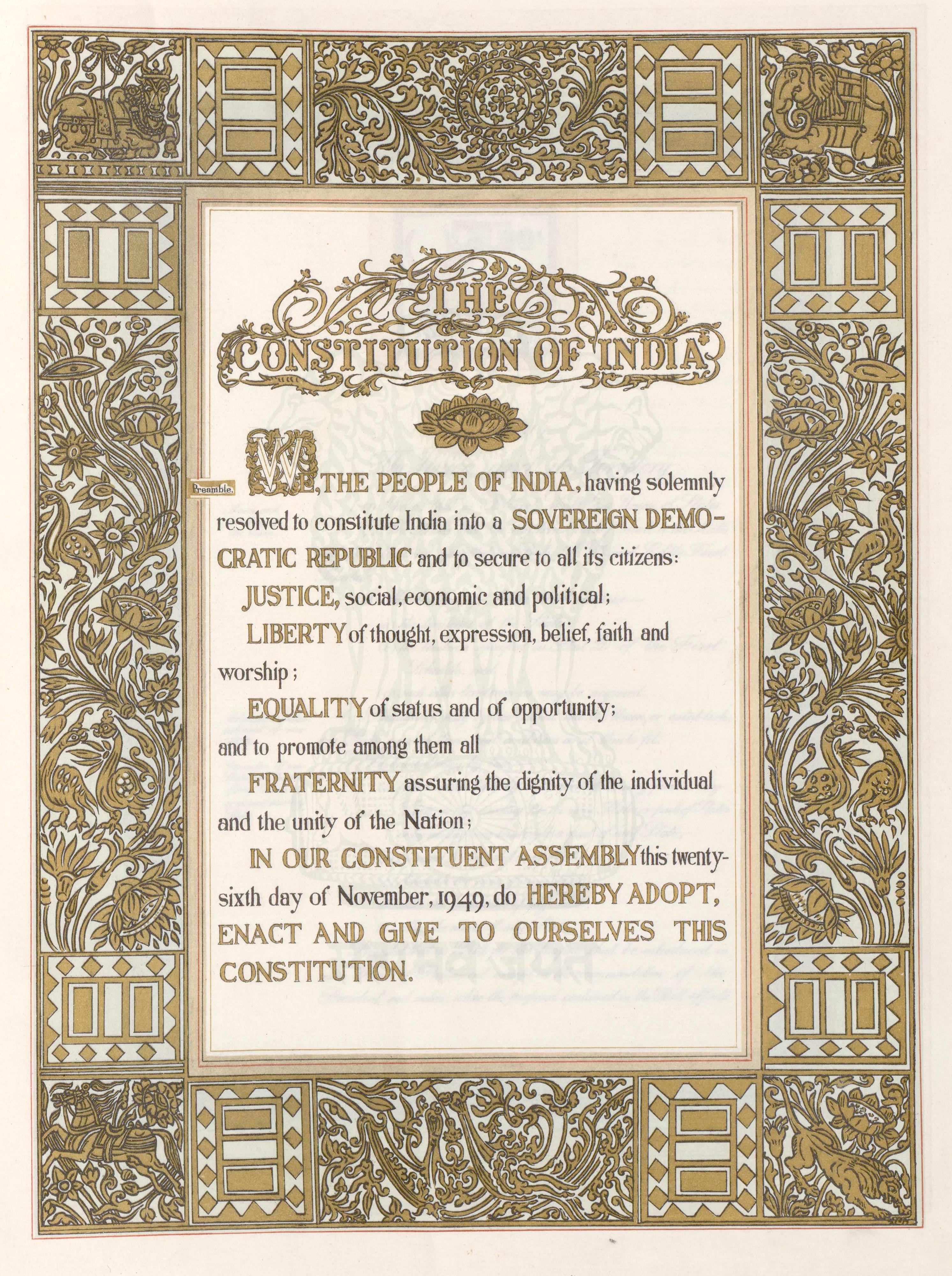
THE CONSTITUTION OF INDIA
WE, THE PEOPLE OF INDIA, having solemnly resolved to constitute India into a SOVEREIGN SOCIALIST SECULAR DEMOCRATIC REPUBLIC and to secure to all its citizens:
JUSTICE, social, economic and political;
LIBERTY of thought, expression, belief, faith and worship;
EQUALITY of status and of opportunity;
and to promote among them all FRATERNITY assuring the dignity of the individual and the unity and integrity of the Nation;
IN OUR CONSTITUENT ASSEMBLY this twenty-sixth day of November, 1949, do HEREBY ADOPT, ENACT AND GIVE TO OURSELVES THIS CONSTITUTION.
Learn the Constitution
Browse every Fundamental Right, Directive Principle, and Fundamental Duty with plain-English explanations and landmark case laws.
Know Your Rights
Find your situation and learn which Fundamental Rights protect you with real-world scenarios.
Freedom to Discuss
Engage in civil discourse about constitutional rights, share opinions, and learn from expert-verified perspectives.
Report Violations
Document fundamental rights violations and get connected to legal resources and helplines.
What Are Fundamental Rights?
Fundamental Rights, enshrined in Part III (Articles 14–35) of the Indian Constitution, are the basic human rights guaranteed to all citizens. They ensure that the state cannot infringe upon individual dignity, freedom, and equality. The Supreme Court can enforce these rights under Article 32.
"The Constitution is the guide of the nation."
— Dr. B.R. Ambedkar